
Damp, Mould and Moisture: A Homebuyer’s Guide
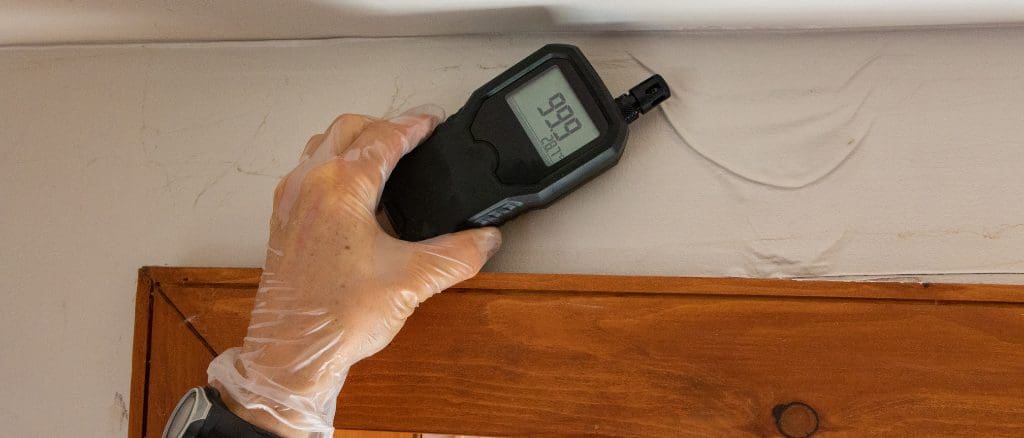
When purchasing a property, discovering evidence of damp or mould is a primary concern for many buyers. Moisture issues can affect the structural integrity of a building and the health of its occupants. However, not all damp problems are equally severe. Understanding the different types of moisture ingress is an essential part of the property buying process.
As professional surveyors, we categorise residential moisture issues into three main types. Identifying the correct cause is the first step in formulating an effective solution.
1. Condensation and Mould Growth
Condensation is the most prevalent form of moisture build up in UK homes. It occurs when warm moisture-laden air comes into contact with cold surfaces such as windows, external walls, or poorly insulated structural elements.
- Common Causes: Insufficient ventilation, drying clothes indoors, and modern sealed environments (like retrofitted double glazing without trickle vents).
- Identification: It typically presents as surface water on windows, peeling wallpaper, and the appearance of black mould in corners, behind furniture, or inside wardrobes.
- Surveying Perspective: While often viewed as a lifestyle issue, severe condensation can sometimes highlight underlying problems with the thermal performance of a building.
2. Penetrating Damp
Penetrating damp occurs when water from the outside enters the fabric of the building due to a specific defect. It can affect properties of any age.
- Common Causes: Blocked or leaking guttering, cracked external render, deteriorated brick pointing, or compromised roof coverings.
- Identification: This type of damp usually presents as localised damp patches on internal walls or ceilings. These patches often darken or expand following periods of heavy rain.
- Surveying Perspective: A RICS Level 2 Survey will systematically assess the exterior envelope of the building to identify the exact point of water ingress, allowing buyers to understand the required maintenance or repair costs.
3. Rising Damp
Rising damp is often the most feared by homebuyers but is frequently misdiagnosed. It involves groundwater rising up through the brickwork or masonry via capillary action.
- Common Causes: The absence, failure, or bridging of a physical Damp Proof Course (DPC). Bridging often occurs when external ground levels are raised above the DPC line (for example, by new patios or driveways).
- Identification: Symptoms include tide marks on lower walls (usually up to one metre high), decaying skirting boards, and crumbling plaster containing white, powdery salt deposits.
- Surveying Perspective: Accurate diagnosis is critical. Misdiagnosing condensation or penetrating damp as rising damp can lead to expensive and entirely unnecessary chemical damp-proofing treatments.
The Importance of Professional Diagnosis
Many companies offering “free damp surveys” are actually damp proofing contractors with a vested interest in selling chemical treatments. Relying on an independent assessment ensures you receive impartial, objective data.
By commissioning a RICS Level 2 Survey or a Structural Engineer Report, buyers obtain a factual breakdown of the building’s condition. A professional surveyor will identify the root cause of the moisture, differentiate between minor ventilation issues and significant structural defects, and provide clear guidance on the necessary remedial works or when further investigation is needed.