
Drainage, Leaks & Water Ingress
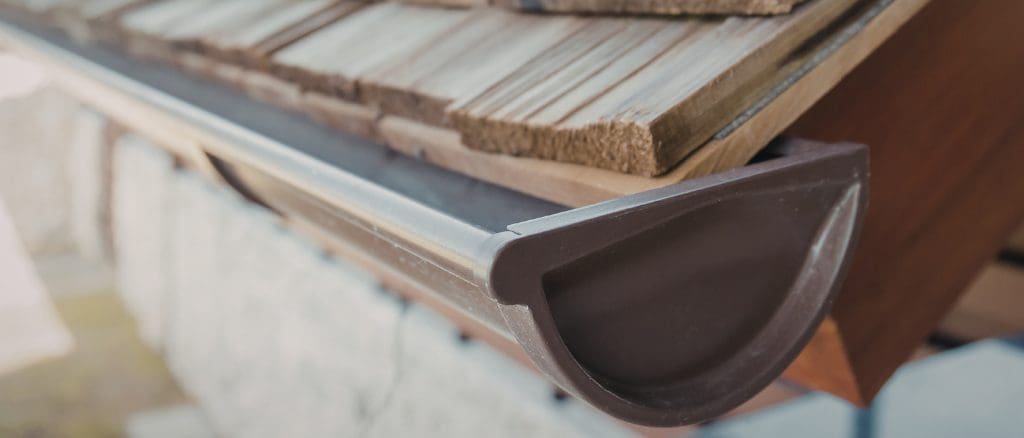
Water is perhaps the most persistent threat to the structural integrity and internal condition of a property. Whether it is rising from the ground, leaking from a defective pipe, or penetrating through the external fabric of the building, water ingress can lead to significant decay and costly remedial works. When you are looking for a survey to assess a potential purchase, ensuring the drainage and water protection systems are functioning correctly is a high priority.
Identifying the Source of Damp
Dampness in a home is rarely a standalone issue; it is almost always a symptom of a failure elsewhere. Penetrating damp often occurs due to building defects such as blocked or leaking gutters, cracked external rendering, or missing roof tiles. Rising damp, though less common than many believe, can occur if the original damp proof course has failed or been bridged by high external ground levels.
In many older homes across the Gloucester area, internal damp is frequently caused by a lack of adequate ventilation combined with modern living habits, leading to condensation. A professional house purchase survey is essential to distinguish between these different types of moisture and to determine the most effective way to address them before they cause permanent damage to the building’s timbers.
The Importance of Effective Drainage
The systems designed to carry water away from your home are just as important as the materials keeping it out. Defective underground drainage can lead to saturated ground around the foundations, which is a common cause of localised subsidence and structural movement. During a building condition survey, we look for signs of drainage failure such as standing water, damp patches on lower walls, or cracked gulleys. Identifying these hidden issues early on is a vital part of understanding the true condition of the property and avoiding unexpected repair bills after you move in.
Protecting Your Investment
Finding a local expert allows you to get an expert perspective on the specific water-related challenges common in the region. During RICS Level 2 Home Surveys, we carry out a thorough visual inspection of the property to identify active leaks and evidence of past water damage, providing you with a clear understanding of what needs to be fixed.
If our inspection suggests that long-term water ingress or a significant drainage leak has compromised the stability of the walls or foundations, we may recommend obtaining a Structural Engineer Report to assess the impact on the building’s structural integrity. Furthermore, because resolving complex damp and drainage issues can be incredibly expensive, getting an RICS valuation can help you determine the property’s fair market value in its current condition, ensuring you do not overpay for a home with hidden liabilities.