
Moving to Longlevens: A Homebuyer’s Guide to Property & Surveys
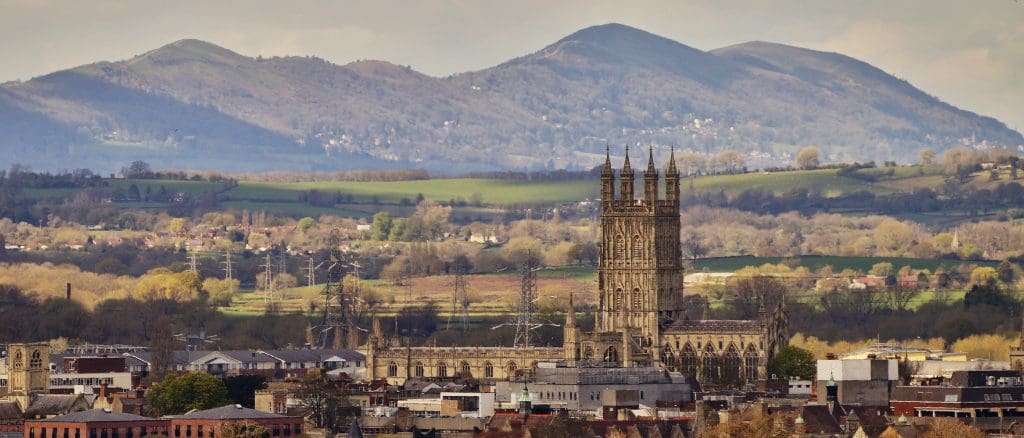
Whether you are drawn by the prestigious school catchments or the suburb’s leafy, community feel, Longlevens (GL2 postcode) remains one of Gloucester’s most sought-after residential areas. If you’re considering a move here, this guide covers the local property landscape and the specific “red flags” we look for during a professional building survey.
The Longlevens Property Market: What are you buying?
The housing stock in Longlevens is primarily composed of suburban developments spanning the mid-to-late 20th century, with distinct phases of construction:
- Inter-War Housing (1930s – 1940s): Concentrated around arterial routes such as Elmbridge Road, Park Avenue, and Sandyleaze, these are typically traditional masonry-built semi-detached properties. They generally feature suspended timber ground floors and early cavity wall construction.
- Post-War Estates (1950s – 1960s): The Wellsprings Estate (including streets such as Grasmere Road and Windermere Road) consists largely of mid-century detached and semi-detached homes. These utilize standard cavity wall construction, often originally fitted with concrete interlocking tiled roofs.
- Period Properties: Older Victorian and Edwardian terraces are located toward the southern boundary of the suburb near Cheltenham Road. These properties typically feature solid brickwork, slate roofing, and shallower foundations.
Surveying Considerations in Longlevens
When we carry out a RICS Level 2 Survey, Structural Engineer Report or Valuation in Longlevens, we tailor our inspection to the geological context of the area and local building practices.
1. Roofing and “Nail Fatigue“
Many 1930s properties in the area still carry their original clay tiles. By now, many of these roofs have reached the end of their natural lifespan. We check for “spalling” (where the tile face flakes off) and “nail fatigue,” which can lead to slipping tiles and water ingress.
2. Extensions and “Thermal Bridging”
Longlevens has a high percentage of extended properties. We often find that older extensions (pre-1990s) lack sufficient insulation or have “cold bridges” where the new structure joins the original house – a common cause of localised damp and condensation.
3. Drainage and the Horsbere Brook
While the Horsbere Brook Flood Alleviation Scheme has been a major success for the area, properties located near the brook or on lower-lying land still require a diligent check of the local topography. We look for historical signs of high water tables or sub-floor moisture that could impact the structure.
Summary
The residential landscape in Longlevens presents a mix of 20th-century construction methods and specific local environmental factors. Because every home presents specific technical variables – from aging roofs to modern extensions – commissioning a professional RICS Level 2 Survey, Structural Engineer Report, or accurate Valuation is highly recommended. This will provide buyers with the objective, easy to understand technical insight needed to accurately assess a building’s condition and make an informed investment.