
Cracks in Walls & Structural Movement
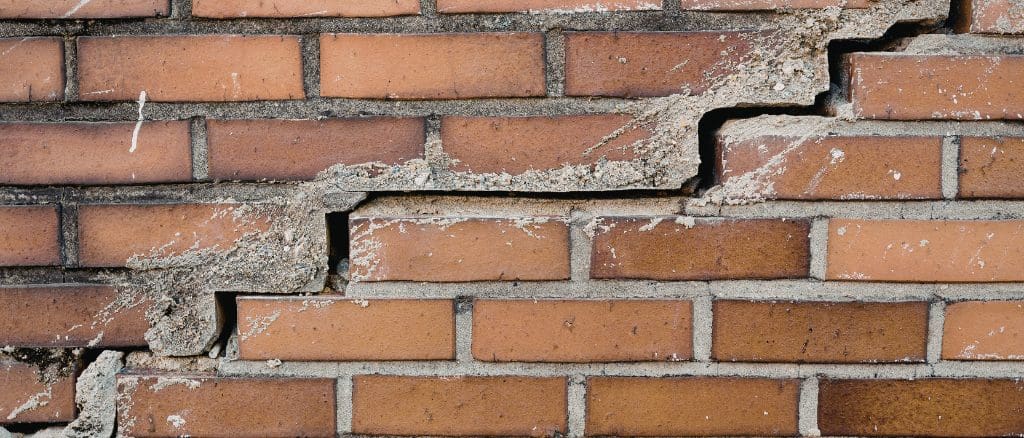
Discovering a crack in the wall of a property you are hoping to buy can be an alarming experience. Many buyers immediately fear the worst, imagining failing foundations and massive repair bills. However, while cracks should never be ignored, they do not always mean a building is falling down. Understanding the difference between minor cosmetic flaws and genuine structural movement is a crucial part of the buying process.
Cosmetic Cracks Versus Structural Issues
Houses naturally move and settle over time. Minor hairline cracks in plasterwork are incredibly common, especially in newer extensions or freshly decorated rooms where materials dry and shrink. These are usually nothing more than a cosmetic annoyance that can be easily filled and painted over.
On the other hand, wider cracks that appear suddenly or grow over time can be a sign of a more serious building structural survey issue. Warning signs include cracks that are wider than a pound coin, diagonal or stepped cracking through external brickwork, or internal cracks that cause doors and windows to stick in their frames. In the Gloucester area, varying ground conditions such as clay soils can sometimes lead to seasonal movement, making expert local assessment essential.
Getting the Right Professional Advice
If you spot concerning cracks during a viewing, the best course of action is to arrange a comprehensive inspection. Many clients come to us asking, ‘do I need a structural survey of my property?’ when they notice these defects. When carrying out a home buyers survey, a residential surveyor will carefully examine both the interior and exterior of the building to spot signs of movement.
During RICS Level 2 Home Surveys, we assess any visible cracking to advise whether it appears historic and stable or if it requires further investigation. We help you understand exactly what is happening with the fabric of the building so you are not left guessing.
If an inspection uncovers signs of active subsidence, heave, or inadequate load-bearing support, we will likely recommend progressing to Structural Engineer Reports. This specialised analysis will diagnose the exact cause of the failure and provide a clear specification for the necessary repairs. Furthermore, if you need to understand how these potential repair costs affect the current market price of the home, an RICS valuation can factor these technical findings into an accurate financial assessment.
Addressing cracks early on with a proper structural survey ensures you are fully informed before you commit to purchasing, saving you from unexpected stress and financial strain down the line.