
Damp, Basements & Waterproofing
Damp, Basements and Waterproofing
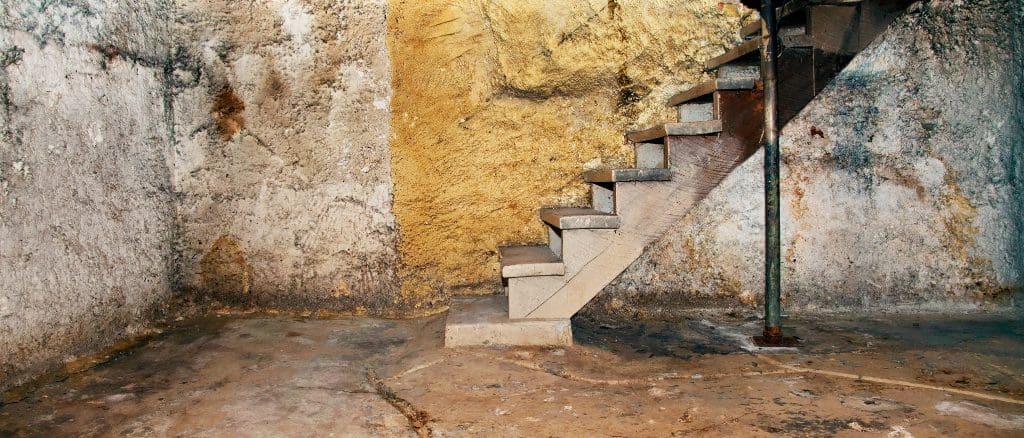
Basements and cellars can offer valuable additional square footage, but they are inherently vulnerable to moisture. Because these rooms sit below the external ground level, they are under constant pressure from water in the surrounding soil. This lateral damp penetration makes below-ground spaces one of the most common areas for persistent water ingress in any property.
Spotting Damp in Cellars
In many older Gloucester properties, cellars were originally designed as cold, ventilated storage areas. They were never intended to be completely dry living spaces. Problems often arise when previous owners have attempted to modernise or convert these areas without installing adequate waterproofing. Telltale signs of damp include peeling paint, white salt deposits on the brickwork or a strong musty smell.
The Need for Expert Assessment
Evaluating the condition of a basement requires a thorough inspection. When carrying out an RICS Level 2 Home Survey, we check these below-ground areas for signs of moisture and assess whether the current ventilation is sufficient. If the space has already been converted into a habitable room, we look for evidence that proper drainage and waterproofing practices were followed.
Managing Structural Risks and Costs
If a cellar suffers from severe flooding or shows signs that the structural retaining walls have been compromised by prolonged moisture, we will likely recommend commissioning a Structural Engineer Report. This will assess the integrity of the foundations and outline the exact scope of the necessary structural repairs. Retrofitting a basement with a reliable waterproofing system is a highly disruptive and expensive undertaking. Getting an RICS valuation will help you understand how these significant repair costs impact the true market value of the property, allowing you to negotiate your purchase with confidence.